By
By The Evolution, Influence, and Future of Social Media in the Digital Age
Understanding the Core of Modern Social Media
In today’s interconnected world, Social Media has evolved from a simple communication tool into one of the most powerful forces shaping society, culture, and business. What began as a medium for personal expression has transformed into an intricate ecosystem of digital interaction, global commerce, and data-driven communication. Modern social media connects billions of people, facilitates political discourse, fuels innovation, and influences almost every decision consumers make.
At its core, social media is a dynamic network of platforms that allow individuals and organizations to create, share, and engage with digital content. Whether for social connection, brand development, or knowledge dissemination, social media plays an integral role in the information economy. It has become the modern public square—where ideas, movements, and trends are born, debated, and amplified across the globe.
The Structural Framework of Social Media
Behind every social media platform lies a complex structure combining technology, psychology, and communication theory. Understanding how this framework operates provides insight into why social media has become indispensable to both personal and professional life.
Algorithmic Architecture
Algorithms form the digital backbone of social media. These data-driven systems determine what users see, when they see it, and how long they engage with it. Algorithms analyze a user’s behavior—such as clicks, likes, shares, and watch time—to curate content that maximizes engagement. While this personalization increases user satisfaction, it also creates echo chambers where individuals are exposed to repetitive perspectives.
The Data Economy
Social media thrives on data. Every post, reaction, and search contributes to a vast dataset that platforms use to optimize user experience and advertising precision. The data economy enables brands to target consumers with unparalleled accuracy, but it also raises pressing questions about privacy, ownership, and ethical use. This duality defines much of the modern debate surrounding social media governance and digital ethics.
Content Ecosystem
Social media operates within a content-centric structure where visuals, text, audio, and interactive media coexist. The success of any post depends on a combination of storytelling, timing, and emotional resonance. Platforms encourage user-generated content, turning everyday individuals into influential creators capable of shaping public opinion and brand identity.
The Psychological Dynamics of Social Media
Social media’s impact extends far beyond technology; it profoundly influences human psychology, identity, and social interaction.
Digital Identity Formation
Online personas often serve as extensions of real-world identities. People craft curated versions of themselves through profile design, post selection, and engagement patterns. This digital self-presentation can empower users to express creativity and individuality but can also contribute to anxiety and comparison-driven dissatisfaction when metrics like likes or followers become measures of self-worth.
The Dopamine Feedback Loop
Every notification, comment, or reaction triggers a release of dopamine—a neurochemical associated with pleasure and reward. This neurological loop creates addictive engagement cycles where users seek continuous validation through social feedback. While this mechanism increases platform activity, it has led to growing discussions about digital well-being and mental health balance.
The Influence of Social Proof
Humans are inherently social creatures, and social media amplifies the concept of social proof—the psychological tendency to conform to behaviors or beliefs perceived as popular. This phenomenon influences purchasing decisions, voting behaviors, and even moral values. In marketing, social proof drives engagement through reviews, testimonials, and influencer endorsements.
The Role of Social Media in Modern Communication
Social media has transformed communication into a decentralized, real-time exchange of ideas. Traditional barriers such as geography, hierarchy, and institutional gatekeeping have largely disappeared.
Real-Time Global Connectivity
Social platforms enable instant communication across borders. Whether for family interactions, business collaboration, or global activism, social media dissolves time and space constraints. During global crises or social movements, platforms become lifelines for coordination, fundraising, and information dissemination.
Visual and Interactive Language
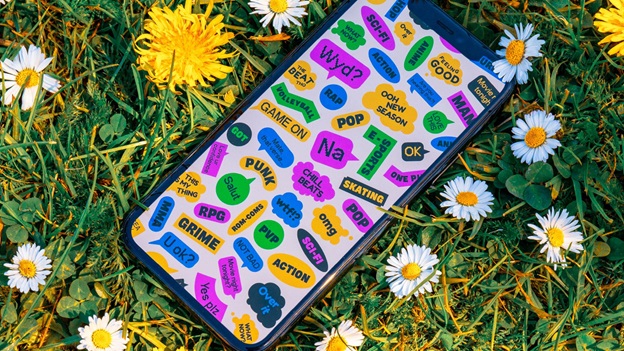
The digital communication landscape now relies heavily on visuals—emojis, GIFs, memes, and short-form videos. This new semiotic language transcends cultural and linguistic barriers, allowing messages to resonate universally. Interactivity through polls, live streams, and stories further deepens engagement, creating a participatory communication model where users are not just observers but active contributors.
The Rise of Citizen Journalism
Social media has democratized news creation and distribution. Ordinary users can now capture and broadcast events before traditional media outlets can respond. While this has empowered transparency and accountability, it also presents challenges with misinformation, bias, and unverified reporting.
The Economic Impact of Social Media
Beyond personal use, social media has become a driving force in global economics. Businesses, entrepreneurs, and creators leverage these platforms to reach audiences, generate revenue, and build communities.
Digital Marketing Transformation
Social media marketing has redefined how brands communicate with consumers. Instead of one-way advertising, companies now engage in two-way dialogue through storytelling, influencer partnerships, and community engagement. Successful campaigns rely on authenticity, relatability, and value-driven content rather than pure promotional messaging.
The Creator Economy
A significant evolution in the digital landscape is the rise of the creator economy, where individuals monetize their skills, content, and influence. From independent artists and educators to gamers and vloggers, social media has created new professions and income models. Monetization occurs through sponsorships, merchandise, membership programs, and digital goods, giving creators financial independence outside traditional employment structures.
Social Commerce Integration
Social commerce merges online shopping with social networking. Consumers can now discover, review, and purchase products without leaving a platform. This integration streamlines the buyer’s journey, making impulse buying more common while empowering small businesses to compete globally without extensive infrastructure.
The Cultural Power of Social Media
Social media is both a reflection and a driver of culture. It shapes language, norms, and trends at a speed unmatched by traditional media.
Viral Culture and Memetics
The concept of virality has become central to digital culture. Memes, challenges, and viral videos can define cultural moments, influence politics, and even inspire global movements. This phenomenon highlights how digital participation has become a form of collective storytelling.
Influence on Social Movements
Social media serves as a catalyst for activism and awareness campaigns. Movements around climate change, social justice, and human rights gain traction by leveraging the global reach of digital platforms. Hashtags and digital petitions mobilize individuals, transforming online sentiment into real-world action.
The Reimagining of Entertainment
Social platforms are redefining entertainment consumption. Short-form videos, live interactions, and digital storytelling blur the boundaries between creator and audience. Traditional television and cinema are now complemented by user-generated formats that prioritize engagement and community.
The Ethical and Regulatory Challenges
As social media’s influence expands, so do the ethical dilemmas surrounding its use. The same tools that connect people can also manipulate, exploit, or misinform.
Data Privacy and Surveillance
Every user interaction generates data. Questions about how this data is collected, stored, and shared are at the heart of privacy debates. While social media enhances personalization, it often does so by monitoring behavior at granular levels. Transparency and informed consent are becoming non-negotiable expectations for users.
The Spread of Misinformation
The speed of social media communication makes it fertile ground for misinformation. False narratives can spread faster than factual reporting, influencing public opinion and policy. Platforms are increasingly relying on AI and community-driven verification to combat this issue, but human discernment remains essential.
Digital Ethics and Responsibility
Both users and corporations share responsibility for maintaining integrity online. Ethical considerations include content moderation, inclusivity, accessibility, and the prevention of algorithmic bias. As digital citizens, users must cultivate media literacy and critical thinking to navigate the flood of information effectively.
The Future of Social Media
The next decade of social media will be defined by personalization, decentralization, and immersive technology.
Artificial Intelligence Integration
AI will continue to refine user experiences through smarter recommendations, automated moderation, and predictive analytics. However, ethical programming and transparency in AI-driven content selection will be crucial to maintaining user trust.
The Rise of Virtual and Augmented Reality
Immersive environments are reshaping how people interact digitally. Virtual reality (VR) and augmented reality (AR) will merge social experiences with simulated spaces, creating new dimensions for communication, gaming, and commerce.
Decentralized Networks and User Ownership
Web 3.0 technologies are introducing decentralized social networks where users control their data and digital identities. Blockchain-based verification systems will enhance authenticity, reducing impersonation and content manipulation.
Sustainability and Digital Minimalism
As awareness of digital fatigue grows, users are seeking more mindful social experiences. Future platforms will focus on quality engagement, promoting healthier digital habits and sustainable content consumption.
FAQ
1. How has social media changed traditional communication?
Social media has shifted communication from one-directional broadcasting to interactive, global conversations where anyone can create and share content instantly.
2. Why do algorithms play such a big role in social media?
Algorithms personalize user experiences by analyzing preferences and behaviors, ensuring relevant content delivery while maximizing engagement.
3. How does social media impact mental health?
While it fosters connection and community, excessive use can contribute to anxiety, comparison, and digital burnout, highlighting the need for mindful engagement.
4. What is the significance of the creator economy?
The creator economy empowers individuals to earn income through their content, creativity, and influence, transforming social platforms into economic ecosystems.
5. How will AI change the future of social media?
AI will enhance personalization, automate content moderation, and optimize ad targeting while introducing new ethical challenges around transparency and bias.
6. Why is digital literacy important for social media users?
Digital literacy helps users evaluate information critically, identify misinformation, and engage responsibly in online discussions.
7. What trends will shape the next generation of social media?
The next wave will be defined by immersive experiences, decentralized networks, stronger data privacy, and a focus on meaningful engagement over metrics.
Social media continues to redefine how humanity connects, learns, and influences the world. It stands as one of the most powerful tools of the modern era—shaping culture, driving innovation, and forging new pathways for communication and identity in the digital age.